
FinOps for business: how to read your cloud bill
How to read a cloud bill on Azure and AWS: tagging, non-production environments, purchase model and measuring without hurting performance.
Nubyron blog with technical guides on cloud, FinOps, DevOps, systems and cybersecurity, written by the people who do the work. Costs, Kubernetes, security, infrastructure as code and operations, on AWS, Azure and Google Cloud.
How to read a cloud bill on Azure and AWS: tagging, non-production environments, purchase model and measuring without hurting performance.
How to audit Kubernetes security on AKS, EKS and GKE: NetworkPolicy, Pod Security, RBAC and node identity, checking what they do, not just that they exist.
What breaks in a Kubernetes upgrade on AKS, EKS and GKE: Helm releases, CRDs, PDBs and webhooks that provider detectors miss, and the order to check them.
Attacks do not pick a company: they look for what is exposed. INCIBE and Verizon data, a 10-minute test and six questions for your company.
A figure-free comparison of an in-house technician and an external IT department on a monthly plan, plus six questions to decide.
Practical OpenTofu vs Terraform comparison: licensing, governance, compatibility, when to pick each and how to migrate with rehearsal and rollback.
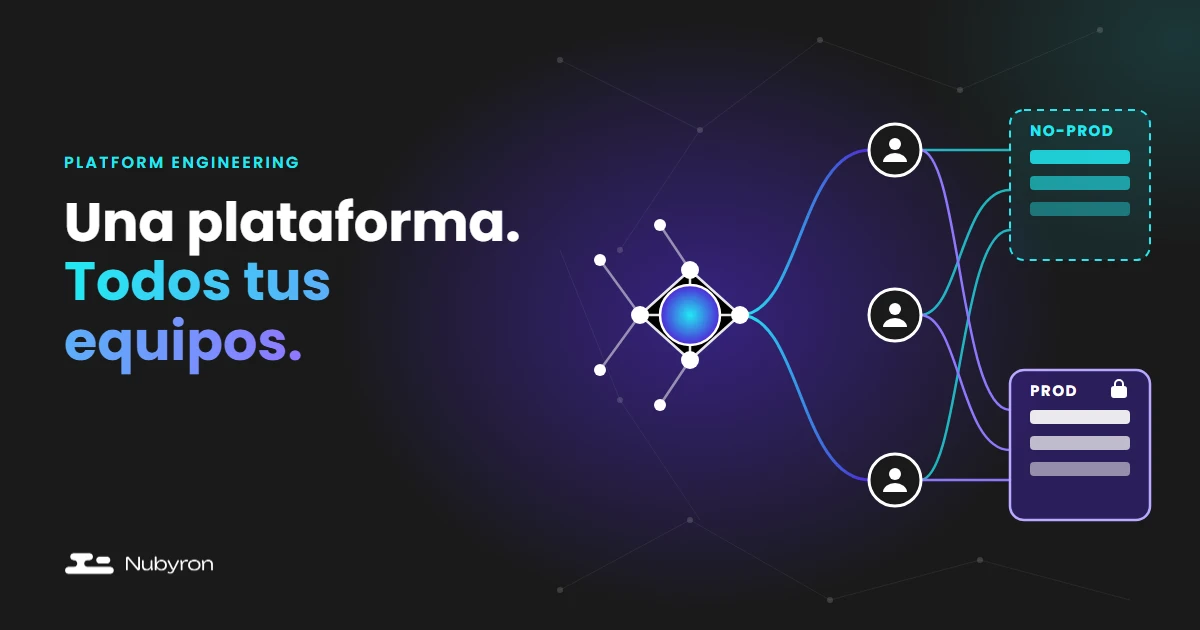
What platform engineering is, which problems it prevents for dev teams, and how to run production and non-production environments without runaway cost.
Who is responsible for what in IaaS, PaaS and SaaS: Microsoft, AWS and Google Cloud models from official sources, plus questions to decide.
Five DevSecOps controls to start with and keep shipping: secrets, least privilege and MFA, CI scanning, IaC checks and security alerting.
How to scale a consultancy’s technical capacity without growing headcount: specialist partners, outsourcing and white-label project delivery.
How to simplify a PDF processing design and turn it into an event-driven, modular pipeline defined with Terraform.
Kubernetes shouldn't give you mini-heart attacks. Learn to interpret alerts, metrics and logs to operate your cluster and handle incidents with context.